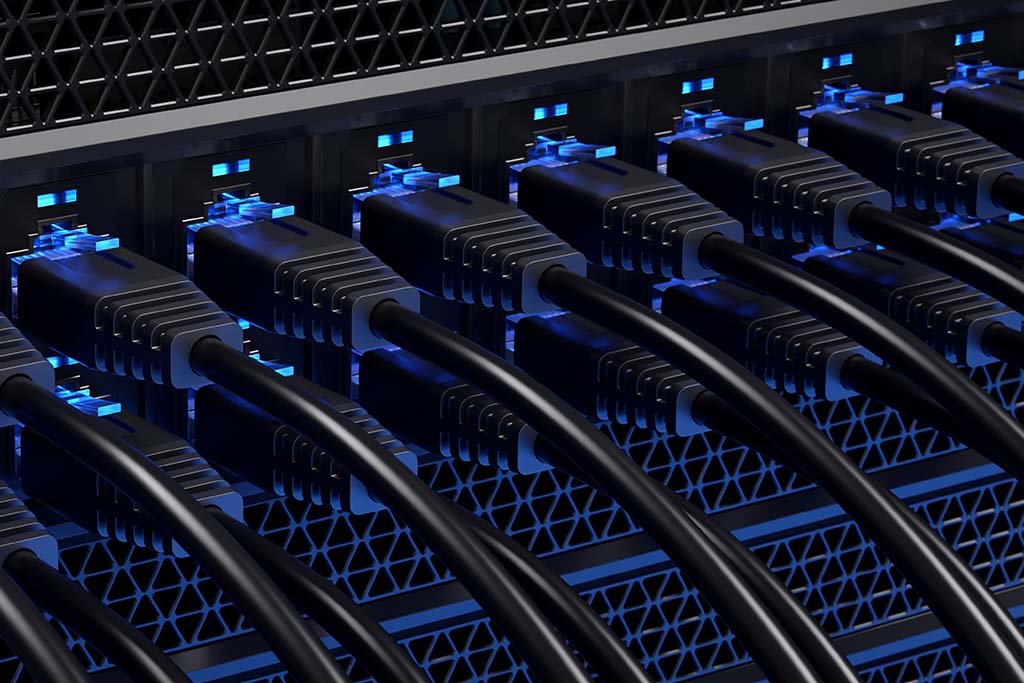
In today’s fast-paced business environment, reliable and efficient network connectivity is essential for success. Network cabling is an important component of any office IT infrastructure, as it provides the foundation for a reliable and efficient network. In this blog, we will discuss the importance of network cabling in an office and how it can help a company work more efficiently.
Reliable and Consistent Connectivity
One of the primary benefits of network cabling is that it provides reliable and consistent connectivity throughout the office. Unlike wireless networks, which can be affected by interference and signal degradation, network cabling provides a stable and secure connection. This means that employees can work without interruption, and the network is less likely to experience downtime or connectivity issues.
Improved Speed and Performance
Network cabling also offers improved speed and performance over wireless networks. This is especially important for businesses that require high-speed internet connectivity and data transfer rates. Network cabling can provide faster speeds and lower latency, enabling employees to work more efficiently and productively. In addition, network cabling can support a larger number of devices and users, without compromising performance.
Scalability and Flexibility
Another benefit of network cabling is its scalability and flexibility. As businesses grow and expand, they need an IT infrastructure that can adapt to their changing needs. Network cabling provides this flexibility, as it can be easily expanded or reconfigured to accommodate additional users or devices. This means that businesses can easily scale their network infrastructure to support their growth, without having to overhaul their entire IT system.
Improved Security
Network cabling can also improve the security of an office’s IT infrastructure. Unlike wireless networks, which can be vulnerable to hacking and data breaches, network cabling provides a more secure connection. This is because it is more difficult to access a wired network without physical access to the cables. In addition, network cabling can support advanced security features, such as virtual private networks (VPNs), firewalls, and intrusion detection systems.
Conclusion
In conclusion, network cabling is an essential component of any office IT infrastructure. It provides reliable and consistent connectivity, improved speed and performance, scalability and flexibility, and improved security. By investing in network cabling, businesses can work more efficiently and productively, while also ensuring that their IT infrastructure can support their growth and changing needs.
